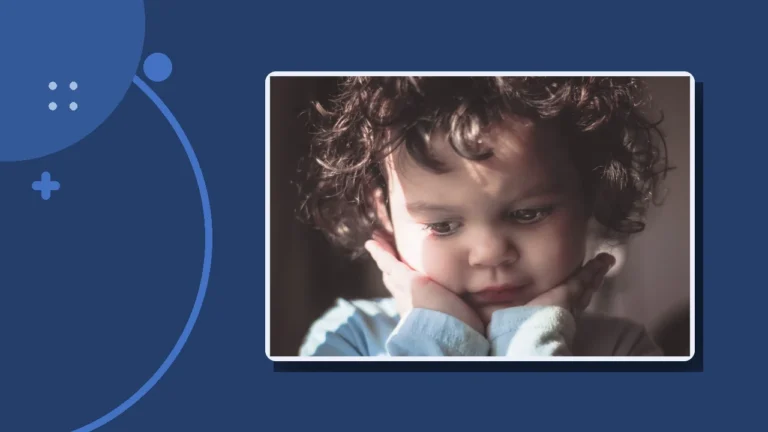






Narcissists are basically emotionally stunted children whose neediness can become all-consuming as they grow older. They have spent so much time relying on looks, fame, connections, or success in business, and old age strips all of these away.
Many people become happier as they grow older, especially after fifty, yet narcissists find the aging process a constant struggle, and one they continue to lose. After a life spent exerting power over others, this is something they just cannot control.
A narcissist’s ability to charm and impress also diminishes with age, and they become less attractive on every level. Narcissistic supply, or their excessive need for attention and admiration from others, becomes harder to come by. Many will have spouses who have already left them, and gone on to form new relationships. As their children have become adults, they often have stopped allowing themselves to be bullied, and may have pulled back or cut contact from the narcissist’s toxic influence. Their peers, older and wiser as well, will not put up with such a difficult personality. Having always refused to take responsibility, many narcissists find themselves alone, become even more bitter, and continue to blame others for their own disappointments.
Money is often an issue as well. Narcissists are known to spend lots of it to impress others with designer labels and fancy cars. Their poor impulse control commonly leads to expensive addictions and tremendous debt, which might not leave much for them to live on when they are old.
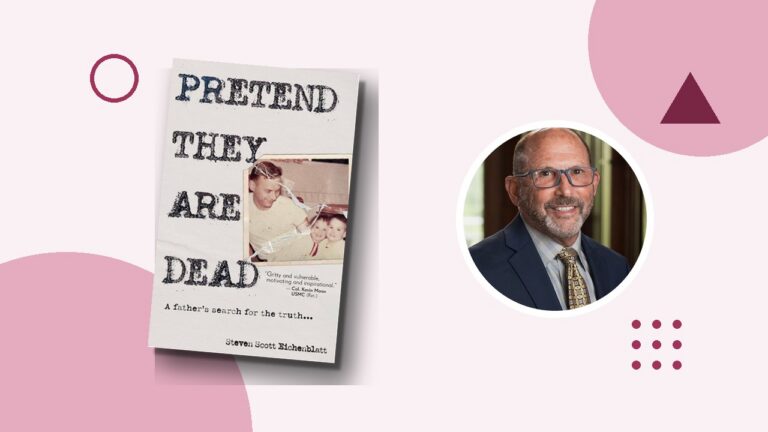
According to Julie L. Hall, author of “The Narcissist in Your Life: Recognizing the Patterns and Learning to Break Free,” narcissists become more extreme versions of their worst selves as they age, which includes becoming more desperate, deluded, paranoid, angry, abusive, and isolated. And, as their power continues to diminish, they become even more desperate to find scapegoats, which often exposes their bigotry, racism, and sexism, a defense mechanism to cover up their own discomfort of having lost so much power.
I was once involved with a family of narcissists. The father had cheated on his wife throughout their entire marriage, and after a terrible divorce, she died. As he grew older, and there was nothing but porn to satisfy his urges, he would spend almost every meal we had together talking about what a wonderful person she was. Decades later, he was haunted by his past, had trouble sleeping, and would mumble to himself about what had happened long into the night.
His adult children, both of whom are also narcissists, resented him, and only retained contact because he was generous with money. They knew that in order to collect their inheritance, which included several pieces of real estate, they had to retain the “idea of family.” As their father grew more incapable of taking care of himself, he became increasingly dependent on them for his basic needs. It got to the point where he refused to leave the house, and gave them complete access to his finances.
His minor credit card debt within months multiplied many times over, as the children used his money to finance their own lives and significant recreational activities. By the time he died, there was a deep dent in his estate. An attorney examining the financials declared it a clear case of elder abuse, though if he didn’t have the adult children, he would have been completely alone.
Had this occurred, he might have experienced a massive mental breakdown, called a “narcissistic collapse,” which may happen once the key source of a narcissist’s ego-stroking goes away, leaving a feeling of victimization and defeat. It is then that the narcissist can no longer manage the charade, their lies and false self are laid bare, and the monster beneath is exposed. At this point, the narcissist may lash out at others, unknowingly maintaining absolute isolation. It is indeed a sight to behold, and occurs frequently with old narcissists.