



Most of us prefer that our children grow up with an intact family, with two parents. And many of us, myself included, will go to nearly any lengths to preserve that family, including remaining in a relationship involving domestic, or intimate partner violence.
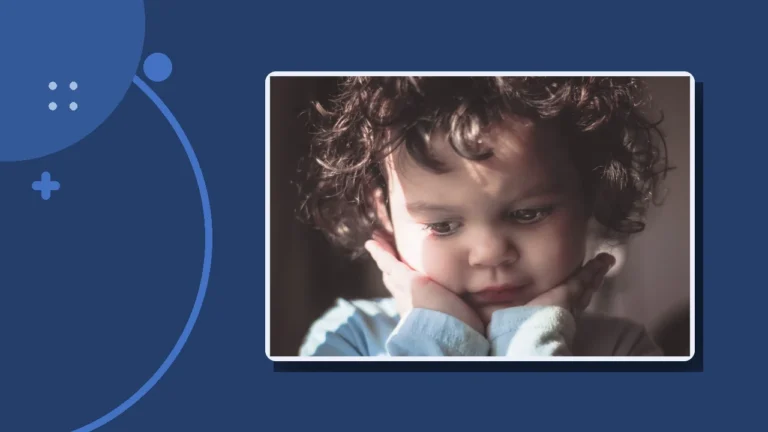
Something we may not consider is how damaging staying in this relationship can be for our children on so many levels.
We are our children’s first, and main role models, and they will often mirror not what we say, but what we do. When remaining in a violent relationship we as parents are modeling not just that abuse is okay, but that it is normal.
In an article from USA Today, “The Startling Toll on Children Who Witness Domestic Violence Is Now Being Understood” by Jane O’Donnell and Mabinty Quarshie, findings showed that merely witnessing abuse carries the same risk of harm to children’s mental health and learning as being abused directly.
Let’s start at the beginning. Infants who have been exposed to domestic violence, even in utero, have been shown to have certain parts of their brain reduced, changing its overall structure, which has long-term effects. They also have more inflammation in their bodies, creating an overall higher risk of poor health and greater likelihood of depression.
Alissa Huth-Bocks, a child psychologist, says that the most damage occurs from pregnancy to age 3, when the brain is significantly developing.
Family violence is one of the worst things a child can experience, according to Ronald Kessler, Co-director of World Health Organization’s World Mental Health Survey Database. He says that it creates emotional scars for children which are reopened when a person is exposed to adult trauma, leading to adult PTSD.
Children growing up with a violent parent or adult are also more likely to have PTSD. The reason, according to neuroscientist Tanja Jovanovic, is that it is a “betrayal from someone who is supposed to be a protector.”
What makes it even worse is that the targeted adult can’t provide comfort to the children witnessing the violence, and therefore cannot be a buffer.
According to the article, “Understanding the Effects of Domestic Violence,” by Psych Central staff, researchers estimate that between 4.5 million to 15 million children are exposed to physical violence in their own homes. Verbal and emotional abuse is harder to track, and their effects can be far worse.
Child abuse and domestic violence often occur in the same family. 50 to 70% of men who frequently assault their wives also will frequently abuse children, and children are 1,500 times more likely to be abused in homes where partner abuse occurs.
Children dealing with such adversity can become overwhelmed. This affects their social skills, making it harder for them to get along with others.
Academics suffer as well, with missing more school days, lower overall grades, and a greater chance of dropping out of school.
Duke University research revealed in 2018 that children aged 12 to 15 were also far more likely to become obese after exposure to domestic violence. In such a charged atmosphere, kids are more vulnerable to anxiety disorders and mental illness.
Children in these homes also have a:
- 50% greater likelihood of drug and alcohol abuse
- 24% greater chance of committing sexual assault crimes themselves
- 6 times greater chance of committing suicide
Purely by witnessing abuse to one’s mother makes a child more likely to take on violent and delinquent behaviors themselves.
Can you believe that more than half of young men aged 11 to 22 in jail for murder are there for killing their mother’s batterer?
Is this topic front and center for you right now? BTGO has an interactive workshop that goes far beyond what we cover in this post. Learn more.
Psychologist Abigail Gewirtz says because children are dependent on their parents and therefore powerless, domestic violence can feel scarier than war “because it happens in a place which is supposed to be safe.”
What’s even more disturbing is that American courts often fail to recognize its impact on children.
People accused or convicted of domestic violence still are likely to get partial or full custody, or at least unsupervised visitation, even when a child is afraid of the offender. I have heard countless stories of parents choosing to remain in an abusive relationship because they were terrified of leaving their child alone with the abuser.
What is a person to do, especially if external resources are not enough? Sadly, there are no easy or quick solutions.
“A strong relationship with a caring, nonviolent parent is one of the most important factors in helping children grow in a positive way despite their experiences,” according to the National Child Traumatic Stress Network.
I am certainly fortunate to have been able to get my kids out of our toxic environment, but it is far from simple, and required extensive and careful planning which took years, and lots of support.
If you are concerned for yourself or your children, we urge you to get in touch with your local domestic violence center, which has multiple free resources for victims and their families. You can also call the National Domestic Violence Hotline at 1-800-799-7233.
Editor’s note: If you’re concerned about this and other risks of being in a toxic relationship, and you’d like to know more, consider viewing our interactive workshop, The Top 7 Dangers of Toxic Relationships, which is available in BTGO’s Sanity School now for a special price of only $2.